Recycling and Sustainability for Gardeners Southgate
 Gardeners Southgate takes a practical, low-impact approach to every outdoor project, with recycling and sustainability built into the way materials are handled from start to finish. From routine garden maintenance to larger clearances, the aim is always to reduce waste, recover usable materials, and keep as much as possible out of landfill. In a busy London setting, that means working in step with borough recycling systems, sorting green waste carefully, and choosing methods that support cleaner local environments. The result is a greener service that fits naturally with modern Southgate gardening needs.
One of the key priorities is a recycling percentage target that keeps recovery rates high across day-to-day operations. Green waste such as branches, leaves, grass cuttings, and untreated plant matter is separated for composting or specialist processing wherever possible. The target is to recycle or repurpose the vast majority of collected material, with a focus on reducing contamination so that recyclable loads can be handled efficiently. This includes separating soil from organic waste, sorting timber from mixed debris, and ensuring any suitable materials are directed into the right recovery stream rather than treated as general rubbish.
In practice, Gardening Southgate work often reflects the wider approach taken across local boroughs, where residents are encouraged to separate dry mixed recycling, food waste, garden waste, and residual rubbish. That local culture of separation helps gardening teams collect and dispose of materials in a cleaner way, especially when dealing with prunings, pots, broken terracotta, or old edging. Even small details matter, such as keeping plastic plant ties away from compostable waste and diverting reusable items into the correct channels.
 The use of local transfer stations is another important part of the sustainability plan. By routing waste through nearby facilities, the service reduces unnecessary mileage and supports more efficient sorting before final processing. These transfer stations are especially useful for bulky green waste, timber offcuts, and mixed garden clearances, where loads can be checked, separated, and sent onward to the most suitable destination. This localised system supports lower emissions while also improving the overall recycling rate for garden maintenance and clearance work in the Southgate area.
Partnerships with charities also play a valuable role. When garden work uncovers items that are still usable, such as metal planters, terracotta pots, outdoor furniture, watering cans, or decorative features, the team prioritises donation pathways before disposal. Working with charities helps extend the life of useful goods and supports community reuse. It is a simple but effective way to make sure surplus items from Gardeners Southgate projects can benefit others rather than become waste. This approach is especially relevant during seasonal tidy-ups and larger decluttering jobs, where reusable materials often appear alongside recyclable ones.
For local residents, this commitment to reuse and recovery sits alongside the borough’s own waste separation habits. Many parts of North London place a strong emphasis on keeping garden waste clean, dry, and free from contamination, which makes it easier for green material to be composted or processed into soil improvers. By following those expectations on site, Gardeners Southgate helps make sure that prunings, hedge cuttings, and leaf litter can move smoothly through the recycling chain. It is a simple example of how careful handling supports a broader sustainability culture across the area.
 A further step in the environmental strategy is the use of low-carbon vans. These vehicles are selected to reduce fuel use and lower emissions during travel between jobs, transfer stations, and collection points. In a dense urban area, shorter, cleaner journeys can make a meaningful difference. Low-carbon transport is particularly valuable for regular maintenance rounds, where multiple gardens can be serviced in one efficient route. Combined with sensible scheduling, this helps reduce the carbon footprint of everyday Southgate garden services.
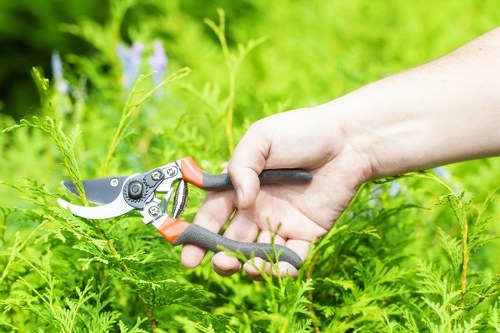
The recycling process itself is also shaped by the type of work being carried out. For example, hedge trimming produces woody cuttings that can often be shredded for mulch or composting, while lawn care creates grass clippings that are best kept separate from plastic packaging or general debris. Soil from planting jobs may be screened and reused where appropriate, and untreated wood can sometimes be directed into biomass or material recovery streams. Even when a full clearance is required, the emphasis remains on separating materials at source so that more can be reused, recycled, or recovered responsibly.
Gardeners Southgate also supports sustainability by using durable tools and maintaining equipment properly, which helps reduce replacement waste over time. Well-kept machinery lasts longer, performs more efficiently, and supports cleaner working methods. That practical mindset extends to packaging and consumables too, with a preference for reducing single-use materials wherever possible. The overall result is a service that keeps environmental impact in view without losing sight of the quality expected from garden care in Southgate.
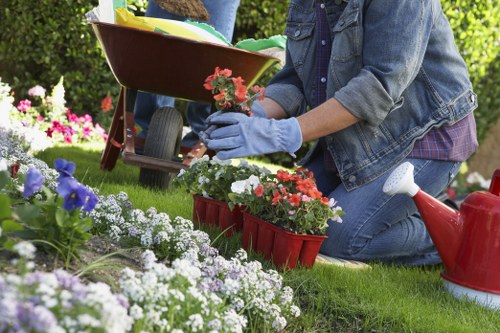 In many local projects, sustainability begins before the first cut is made. Jobs are assessed so that recyclable green waste, reusable materials, and general rubbish can be identified early. This helps avoid cross-contamination and improves the chances that the right materials end up in the right stream. It also means that when turf is lifted, borders are refreshed, or shrubs are replaced, the waste created is handled with a clear plan rather than sent away in a mixed load. Such a method works well with borough systems that favour careful waste separation and responsible disposal.
Charity partnerships add another layer of social value to the service. Rather than treating every removed item as waste, the team looks for opportunities to pass on suitable goods for reuse. This may include garden tools, outdoor storage pieces, or decorative items that are still in good condition but no longer needed on site. Redirecting these materials helps support local charitable reuse networks and keeps useful goods in circulation for longer. It is a practical and community-minded part of the broader recycling Southgate approach.
 All of these measures come together to create a greener, more responsible service model. From recycling percentage targets and transfer station use to charity partnerships and low-carbon vans, the focus stays on reducing waste and supporting cleaner local outcomes. For homeowners, landlords, and businesses in the area, that means gardening work can be carried out with confidence that environmental responsibility is being taken seriously. Gardeners Southgate is committed to keeping outdoor spaces healthy while also supporting a more sustainable future for the neighbourhood.