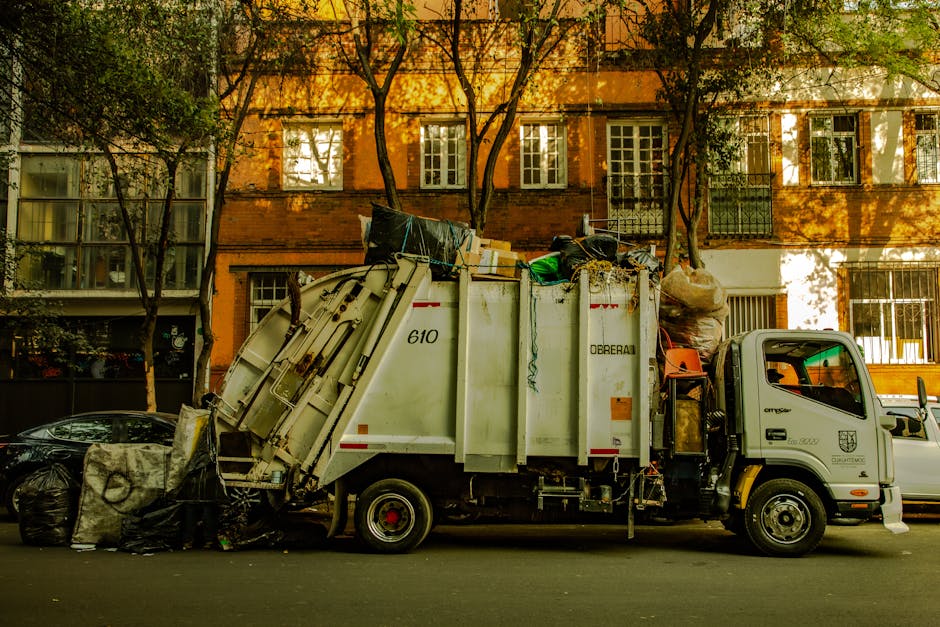
Tree waste disposal rules in Southgate for gardeners
If you garden in Southgate, tree cuttings are one of those jobs that can look simple until the pile starts growing beside the shed. Branches, twigs, stump chips, conifer offcuts, and leafy arisings all behave differently, and the rules around getting rid of them can catch people out. This guide explains the tree waste disposal rules in Southgate for gardeners in plain English, with practical steps you can actually use on a wet Tuesday morning when the wheelie bin is already full.
Whether you are tidying a small back garden, managing a larger plot, or handling the aftermath of a heavy prune, the aim is the same: dispose of tree waste safely, legally, and without making more work for yourself later. You will also see where garden waste, woody waste, and tree surgery debris differ, why that matters, and how to choose the cleanest route for your own project.
Why Tree waste disposal rules in Southgate for gardeners Matters
Tree waste is not just "garden rubbish". In practice, it can include woody branches, trunks, roots, bark, sawdust, hedge trimmings, and mixed green waste. Once you start cutting back trees or shrubs, the material quickly becomes bulky, awkward, and sometimes surprisingly heavy. That is where disposal rules become important.
For Southgate gardeners, the biggest issues are usually not dramatic legal problems. More often, it is the everyday stuff: overfilled bins, missed collections, fly-tipped waste, blocked driveways, or a neighbour who quite rightly does not want a pile of brash leaning over the fence for a week. Tree waste disposal rules exist to keep that material moving through the right channels, reduce nuisance, and avoid contamination in recycling streams.
There is also a quality issue. Green waste that is sorted properly can often be composted or processed more effectively. Mixed waste that contains plastic ties, wire, soil sacks, or treated timber becomes harder to handle. That means more cost, more hassle, and a messier finish to the job.
Practical takeaway: if the waste came from pruning, felling, or shaping woody plants, treat it as a separate job from general garden tidying. Sort it early, store it neatly, and decide the disposal route before the pile gets out of hand.
If your work involves heavier pruning or tree removal, it may sit closer to professional tree surgery support than simple garden tidy-up work. That distinction matters because the disposal method often changes with the scale and type of waste.
How Tree waste disposal rules in Southgate for gardeners Works
The basic idea is straightforward: keep tree waste separate, decide whether it can be reused or recycled, and use a lawful disposal route for anything that cannot be kept on-site. In Southgate, as in most London areas, the practical rules are shaped by common UK waste principles, local collection arrangements, and the duty to prevent fly-tipping or contamination.
In ordinary gardening work, the disposal pathway usually looks like this:
- Identify the waste type: soft green waste, woody cuttings, roots, or mixed debris.
- Separate reusable material: straight branches for staking, chipped material for mulch, and clean foliage for compost where appropriate.
- Reduce volume safely: cut branches down, bundle them, and keep sharp ends controlled.
- Choose the right route: garden waste collection, licensed waste removal, on-site composting, or a drop-off facility if appropriate.
- Keep records if you hire someone: reputable gardeners and contractors should be able to explain where the waste goes.
That last point is easy to overlook. If someone removes tree waste from your property, you want confidence that it is handled properly. A low quote can look lovely on paper, but if the material ends up dumped behind a hedge, nobody wins. Not you, not the neighbourhood, not the garden.
Another practical wrinkle is size. Small twiggy cuttings and leaves are one thing; large limb sections are another. A bucket of prunings may fit neatly into a compost bin, while a pile of thicker branches will need chopping, bundling, or collection by a larger service. The rules themselves are not always complicated, but the handling is where people get caught.
Key Benefits and Practical Advantages
Good tree waste disposal is not just about compliance. It makes the whole garden workflow calmer and more efficient. Once the waste is under control, you can focus on the actual gardening rather than stepping over brash every five minutes.
- Cleaner working space: Less trip hazard, less clutter, and fewer piles left to dry out, scatter, or rot.
- Better garden hygiene: Removing diseased branches or pest-affected material promptly can help reduce spread.
- Lower long-term effort: Sorting waste at the point of pruning saves a second sorting job later. That second job always feels bigger, somehow.
- Improved reuse potential: Clean woody waste can become mulch, habitat material, or a base for composting systems.
- Less neighbour friction: Keeping pathways and boundaries clear avoids complaints and awkward conversations over the fence.
- More professional-looking results: A tidy finish matters, especially if you are maintaining a rental, commercial property, or a home with a visible front garden.
There is a sustainability angle too. Properly sorted garden waste can contribute to a more circular approach to gardening. If you are interested in lower-impact gardening methods, the article on greener gardening habits is a useful companion read. It sits nicely alongside waste reduction and smarter material use.
And yes, sometimes the benefit is simply peace of mind. You can finish the pruning, sweep the path, and know the waste is dealt with. That is worth quite a lot on its own.
Who This Is For and When It Makes Sense
This topic is relevant to a wide mix of gardeners. Some are home improvers doing weekend maintenance. Others are regular gardeners with recurring hedge and tree work. A few are managing more complex sites with mature trees, narrow access, or heavier seasonal pruning.
You will especially want to pay attention if you:
- trim trees or large shrubs regularly;
- work in shared gardens, rental gardens, or managed grounds;
- have bulky branches that will not fit standard garden bins;
- need to keep a site safe and presentable while work is ongoing;
- are cutting back trees near paths, fences, patios, or sheds;
- want to reduce the chance of complaints about waste storage or smell;
- prefer a neat, compliant disposal route rather than trial and error.
If your garden includes hedges, climbers, or boundary planting, the waste picture can be broader than it first appears. A hedge trim can create enough arisings to rival a small tree job, particularly in the growing season. For that reason, many gardeners keep disposal planning connected to ongoing maintenance, not as a separate afterthought. Our guide to hedge trimming in Southgate is useful if your waste comes from regular boundary work rather than one-off tree pruning.
To be fair, some homeowners only think about disposal when the mound is already there. That is normal. But once you understand the system, it becomes much easier to budget time, bagging, and collection arrangements before the first cut is made.
Step-by-Step Guidance
Here is a practical way to handle tree waste without making a right muddle of it.
1. Sort the waste as you cut
Separate woody branches from soft green waste straight away. Keep roots, soil-heavy material, and any contaminated pieces apart. If a section looks diseased, keep it separate so it does not end up mixed with clean compostable material.
2. Reduce bulky material safely
Cut large branches into manageable sections. Keep hand tools sharp and stable, and avoid overreaching. If you are unsure about the size or weight of any limb, do not wrestle it. That is exactly how small jobs turn into annoying ones.
3. Remove non-organic contaminants
Take out plastic ties, pot labels, garden wire, tape, plant supports, and packaging. Even a small amount of contamination can make waste harder to recycle and may push it into a more expensive disposal stream.
4. Decide whether it can stay on-site
Some wood can be reused as mulch, edging, wildlife habitat, or compost feedstock. If it is clean, untreated, and suitable for reuse, great. If not, plan for collection or disposal. The key is making that call early.
5. Bundle or contain the waste
Stack branches in a neat orientation, tie bundles if needed, and keep sharp ends inward where possible. For finer material, use sacks or containers that will not tear the moment they are lifted. A tidy pile is easier to move, easier to weigh, and much less irritating to live beside.
6. Choose the disposal route
For light garden waste, home composting or local garden waste collection may be enough. For heavier or mixed tree waste, a dedicated removal service may be the simpler route. In larger jobs, a contractor may handle loading, transport, and final disposal as part of the work package.
7. Check the finish
Do a final sweep for sawdust, twigs, and overlooked offcuts. Those little pieces are the ones that somehow end up under shoes, in drains, or stuck in lawn edges. Annoying, but easy to prevent.
Expert Tips for Better Results
In our experience, the best disposal outcomes come from planning waste before the cut begins. That might sound obvious, but plenty of people still start pruning with no clue where the branches will go. Two hours later, they are staring at a pile the size of a small sofa.
- Prune in stages: If a tree needs a major reduction, break the work into sections so waste never becomes unmanageable.
- Keep wet and dry waste apart: Wet leaf-heavy material can compact and smell quickly. Dry woody waste stores better.
- Use clean chipping where possible: If you have the right equipment, chipping branches on-site can greatly reduce volume and produce useful mulch.
- Plan access before starting: Tight side passages, narrow gates, and stepped access all affect how waste leaves the garden.
- Make sure you know what is diseased: Keep infected material separate and dispose of it carefully, not in the general compost heap.
- Think about the season: Autumn and winter prunings behave differently from spring growth. Cold, damp waste is heavier and can be more awkward to move.
If you enjoy shaping borders and screens, it is worth reading up on how planting choices affect future waste volume. The article on fast-growing privacy planting is a good reminder that dense growth looks great, but it also means more trimming later.
One more thing: if you are storing waste briefly before collection, keep it away from blocking exits, drains, and shared pathways. Common sense, yes, but it saves unnecessary arguments and the occasional muddy boot print.
Common Mistakes to Avoid
Most disposal problems come from a handful of avoidable mistakes. They are boring mistakes, really, which is probably why they happen so often.
- Mixing waste types: Clean wood, soil, plastic, metal, and general garden waste should not all be thrown together.
- Leaving waste piled too long: Branches can become a nuisance, and some green waste starts to smell or shed debris quickly.
- Overstuffing bins or bags: Heavy containers split, become unsafe to lift, and create mess during collection.
- Ignoring access issues: A waste pile may be fine in the garden but impossible to move through a side gate if it is not broken down first.
- Assuming all tree waste is interchangeable: Thick timber, leafy cuttings, and root material often need different handling.
- Using unofficial disposal routes: If someone offers to "take it away cheap" without any clarity, that is a red flag. Let's not make the fly-tippers' day easier.
There is also a quality mistake that matters in maintenance work: pruning too much simply to reduce waste handling. That is backwards. Prune for plant health and garden shape first, then manage the waste sensibly. The waste should serve the job, not the other way round.
Tools, Resources and Recommendations
You do not need a van full of specialist kit to dispose of tree waste properly, but a few sensible tools make the job much smoother.
- Sharp loppers and a pruning saw: Better cuts mean easier handling and less splintering.
- Heavy-duty garden sacks: Useful for lighter cuttings, but do not overload them.
- Tarpaulin: Handy for moving waste across patios or lawns without leaving a trail of debris.
- Gloves and sturdy footwear: Essential when handling branches, stubs, or thorny material.
- Wheelbarrow or garden cart: Makes repeated trips far less punishing.
- Wood chipper or shredder: Excellent if you regularly deal with branches and want to create mulch.
- Ties or biodegradable binding: Useful for bundling branches neatly for removal.
For gardeners who want to build better habits overall, the article on essential gardening tools is a handy place to start. It covers practical kit choices that support routine maintenance, not just one-off jobs.
If your work is part of a bigger outdoor refresh, disposal planning should sit alongside other improvements. A garden tidy-up might lead naturally into regular garden maintenance, or maybe you are pairing pruning with landscaping work to reshape the space. In that case, it helps to think of waste as part of the project, not a loose end.
Law, Compliance, Standards, or Best Practice
There are a few careful points to keep in mind. While everyday gardeners do not need to become waste law experts, you do need to follow sensible UK best practice and avoid careless disposal.
In general, gardeners and contractors should:
- keep waste types separated where practical;
- avoid fly-tipping or handing waste to unverified collectors;
- store waste safely while awaiting removal;
- use only appropriate disposal routes for green waste and woody arisings;
- take extra care with potentially diseased plant material;
- make sure any third party removing waste can do so lawfully.
If you employ someone to prune or clear tree waste, it is reasonable to ask how they manage disposal. Good professionals are used to that question. In fact, they should welcome it. If they are vague, rush the answer, or dodge the topic, treat that as useful information.
Best practice also includes not allowing waste to obstruct pavements, shared access, bins, or drainage. Even short-term storage needs a bit of judgement. Southgate gardens are often compact, and one untidy stack can turn a normal passage into an obstacle course.
If safety is part of your decision, it is worth reviewing the company's health and safety approach and broader insurance and safety information before work starts. That is especially sensible when ladders, saws, larger limbs, or awkward access are involved.
Also, if you are commissioning paid work, clear terms help. The pages on terms and conditions and payment and security can help set expectations before the first cut is made. No one likes surprises in the middle of a job.
Options, Methods, or Comparison Table
There is no single perfect method for every garden. The right choice depends on volume, access, waste type, and how quickly you want the job finished. Here is a simple comparison to help you think it through.
| Method | Best for | Strengths | Limitations |
|---|---|---|---|
| Home composting | Small amounts of soft green waste and some fine arisings | Low cost, convenient, sustainable | Not suitable for thick branches or contaminated waste |
| On-site chipping or shredding | Regular branch pruning and hedge work | Reduces volume, creates mulch, keeps material on-site | Needs equipment, space, and care |
| Garden waste collection | Routine mixed green waste and modest woody cuttings | Simple, tidy, predictable | May not suit oversized limbs or urgent clearances |
| Licensed removal service | Bulky tree waste, major pruning, or awkward access jobs | Fast, convenient, often safest for heavy loads | Usually costs more than DIY |
| Reuse in the garden | Clean branches, chipped material, habitat piles | Eco-friendly and practical | Requires planning and suitable space |
For many Southgate homeowners, the decision comes down to volume. A few bags? Manageable. A stack of chunky branches from a mature tree? Much more sensible to arrange a proper collection or professional removal.
If you are already considering a broader garden refresh, sometimes waste handling is best folded into the wider job. A larger tidy-up can pair with a garden revival plan so the disposal and redesign happen together, rather than in two separate headaches.
Case Study or Real-World Example
Here is a realistic Southgate-style scenario. A homeowner has a medium-sized rear garden with two mature shrubs, one overgrown small tree, and a narrow side return. They want the garden opened up a little more light, and the tree is encroaching on the path. After pruning, they are left with a mix of leafy waste, a few heavy branches, and some fine sawdust.
If they try to pile everything together, the route out of the garden becomes awkward fast. The branches snag on the fence, the bags split, and the path gets messy. Instead, the cleaner approach is to sort it in stages: leafy waste into sacks, branches cut short and bundled, sawdust swept and bagged separately, and anything contaminated kept out of the compost stream.
They then decide to reuse some of the chipped wood as mulch around the back border, where it helps suppress weeds and improve moisture retention. The rest is taken away in a proper collection. The end result is simple: the garden feels lighter, the access is clear, and the waste disappears without drama.
Nothing flashy. Just good gardening. That is usually how the best jobs go, honestly.
For gardeners who like to use organic material well, the article on turning waste into soil enrichment offers a useful next step. It is a good reminder that not every offcut needs to leave the site.
Practical Checklist
Use this checklist before, during, or after a tree waste clearance job.
- Have I identified the waste type correctly?
- Have I separated woody branches from soft green waste?
- Have I removed wire, ties, plastic, and other contaminants?
- Do I know whether any material is diseased or pest-affected?
- Have I reduced large branches into manageable pieces?
- Is there a safe place to store the waste temporarily?
- Will the waste fit through gates, paths, and access routes?
- Do I have a reuse plan for any clean wood or mulch?
- Have I chosen a lawful disposal route?
- If using a contractor, have I checked their waste handling approach?
- Have I cleared sawdust and small debris from hard surfaces?
- Are bins, drains, and walkways still unobstructed?
If you can tick most of those boxes, you are already ahead of the game. The job feels calmer, cleaner, and a lot less like a rush to the finish line.
Conclusion
The tree waste disposal rules in Southgate for gardeners are really about three things: sorting waste properly, using the right disposal method, and keeping the garden safe and tidy while work is underway. Once you understand the difference between soft waste, woody arisings, and contaminated material, the rest becomes much easier.
Good disposal practice saves time, reduces stress, and supports better gardening overall. It also helps you avoid the classic pitfalls: messy piles, split bags, awkward access, and the dreaded "we'll deal with it later" approach, which rarely ages well.
If your garden work is becoming more frequent or more complex, it may be worth folding waste handling into a broader maintenance plan. That way, pruning, clearance, and aftercare all happen in one smooth rhythm rather than in separate bursts of frustration. And that, let's face it, is a nicer way to garden.
Get a free quote today and see how much you can save.
Small choices make a big difference in a garden. Get the waste right, and the rest of the space tends to follow.
Frequently Asked Questions
What counts as tree waste for gardeners in Southgate?
Tree waste usually includes branches, twigs, trunk sections, bark, roots, sawdust, and mixed arisings from pruning or felling. In some cases, hedge cuttings and large shrub offcuts are handled in a similar way, especially when they are bulky or woody.
Can I put tree branches in my garden waste bin?
Small branches may fit if they are cut down enough and your collection rules allow it, but larger woody material usually needs bundling, shredding, composting, or a separate collection route. Overstuffing a bin is a bad idea because it makes lifting difficult and can lead to missed collection.
Is it okay to burn tree waste in the garden?
Usually, burning is not the most sensible option in a residential garden. It can cause smoke nuisance, create safety issues, and may conflict with local expectations or site conditions. A cleaner disposal route is normally better for neighbours and the garden itself.
What should I do with diseased tree material?
Keep diseased or pest-affected material separate from healthy green waste and compost. The safest route is usually careful containment and a disposal method that prevents spread. If you are unsure, treat it conservatively rather than mixing it in.
Do I need a professional for tree waste removal?
Not always. Small jobs can often be handled yourself. But if the waste is bulky, heavy, awkward to move, or tied to a larger tree job, a professional removal route can save time and reduce the chance of injury or a messy finish.
Can tree waste be reused in the garden?
Yes, often it can. Clean branches can be chipped into mulch, smaller twigs can support habitat piles, and some woody material can be reused for edging or structure. The key is to keep it clean and suitable for the purpose.
What is the difference between green waste and tree waste?
Green waste usually refers to softer plant material such as leaves, grass, and tender cuttings. Tree waste is generally woodier, heavier, and more awkward to handle. That difference affects storage, transport, and disposal choices.
How can I avoid making a mess while moving tree waste?
Use a tarpaulin, wheelbarrow, or sacks, and cut branches into manageable lengths before moving them. Keeping the waste sorted as you work also prevents loose debris from spreading across lawns, patios, and paths.
What if my garden has narrow access?
Narrow access is a common issue in Southgate gardens. In that case, waste should be reduced in size before movement, bundled neatly, and carried in smaller loads. Access planning matters more than people think, and it can determine whether the job feels easy or exhausting.
How do I know if a waste remover is handling things properly?
A reputable remover should be able to explain where the waste goes, how it is sorted, and whether they follow lawful disposal practices. If the answer is vague or rushed, ask more questions. Clear communication is part of good service.
Can tree waste be part of regular garden maintenance?
Absolutely. In fact, it works best that way. Routine maintenance keeps waste volumes smaller, avoids big clearance days, and helps your garden stay manageable throughout the year. It is much easier than waiting for a massive pile to appear all at once.
Where should I start if my garden is badly overgrown?
Start with a safe, honest assessment of what needs cutting back, what can be reused, and what needs removal. If the space feels overwhelming, begin with one section and build momentum. A full reset is less intimidating when it is broken into smaller, sensible stages.