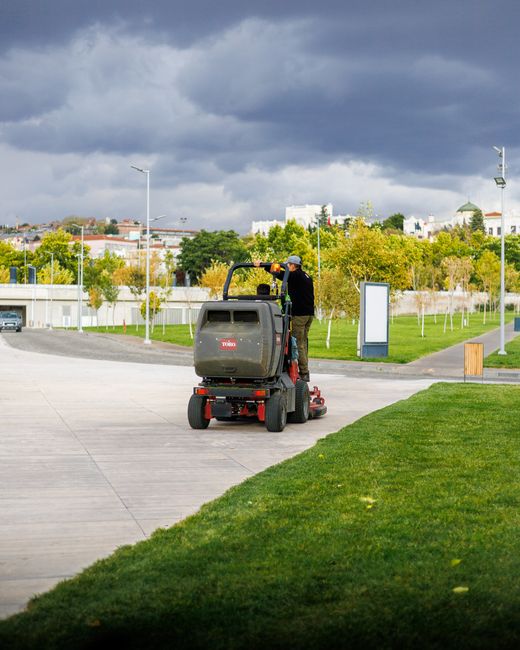
Small business grounds maintenance for Southgate shops and offices
If you run a shop, cafe, studio, or office in Southgate, the outside of your premises matters more than most people think. A tidy frontage, neat borders, clean paths, and well-kept planting can quietly shape how customers feel before they even step inside. Small business grounds maintenance for Southgate shops and offices is about keeping that first impression sharp, but it's also about safety, routine, and reducing the little headaches that build up when outdoor areas are left too long.
Truth be told, most businesses do not need grand landscaping. They need consistent, practical care that fits real opening hours, footfall, weather, and budget. That might mean regular mowing, hedge trimming, litter and leaf removal, pressure cleaning for hard surfaces, or seasonal tidy-ups. The aim is simple: make the place look looked-after, without turning maintenance into a distraction.
In this guide, you'll find a clear explanation of how commercial grounds maintenance works, what to prioritise, where businesses often go wrong, and how to decide what level of service makes sense for your shop or office in Southgate. It's written for busy owners and managers who want straightforward, useful answers.
Table of Contents
- Why it matters for Southgate businesses
- How the service works in practice
- Key benefits and practical advantages
- Who needs it and when it makes sense
- Step-by-step guidance
- Expert tips for better results
- Common mistakes to avoid
- Tools, resources and recommendations
- Law, compliance and best practice
- Options, methods and comparison
- Case study / real-world example
- Practical checklist
- Conclusion
- Frequently asked questions
Why Small business grounds maintenance for Southgate shops and offices Matters
For a small business, outdoor presentation is not decoration for decoration's sake. It is part of the customer experience. If the entrance is overgrown, the paving is slippery with algae, or the planter beds are full of dead leaves, people notice. Sometimes they notice consciously. More often, they just feel that the place is a bit off. And that feeling can affect trust, even if the inside is spotless.
Southgate has the usual mix of local foot traffic, roadside exposure, and changing weather that quickly reveals whether a property is being cared for. Wind drops debris into corners. Wet months encourage moss. Summer growth can take off almost overnight. A small business that stays on top of these details tends to look calmer, more organised, and more credible. That matters whether you're welcoming customers, clients, or staff.
There's also a safety angle. Uneven paths, hidden litter, trailing plants, blocked drains, and encroaching shrubs can all create avoidable nuisance. In practice, good grounds maintenance reduces trip hazards, supports accessibility, and stops small issues becoming expensive ones. To be fair, it's often the boring work that saves the day.
If you are already looking at routine upkeep, it can help to think beyond "garden work" and toward a wider commercial care plan. A provider who understands garden maintenance and related exterior tasks can usually keep the outside of a shop or office feeling tidy without needing constant micromanagement.
How Small business grounds maintenance for Southgate shops and offices Works
Commercial grounds maintenance is usually scheduled work carried out on a repeat basis, with occasional one-off visits for bigger seasonal jobs. The exact mix depends on the site. A small high-street shop with a narrow frontage needs something different from a small office with a rear courtyard, parking edge, or planted boundary.
Most arrangements start with a site review. That review identifies what needs regular attention, what can be done seasonally, and what should be treated as an occasional project. From there, the work is usually built into a timetable. Weekly, fortnightly, monthly, or ad hoc visits all have their place. The right rhythm depends on growth rates, customer visibility, and how much outdoor space exists.
Typical tasks include:
- lawn mowing and edging where turf is part of the frontage
- hedge trimming to keep sightlines open and shapes neat
- weed control in borders, cracks, and paved areas
- leaf clearance, especially in autumn
- pruning and light shaping of shrubs or small trees
- patio cleaning or hard-surface cleaning for entrances and courtyards
- litter picking and general tidy-up work
- green waste removal and responsible disposal
In some cases, the work goes beyond simple upkeep. If a site is cluttered, neglected, or partly overrun, a first visit may need clearance before routine care can begin. That's where garden clearance becomes useful. Once the space is reset, ongoing maintenance is much easier and often cheaper in the long run.
For businesses with established planting or more ambitious external presentation, a maintenance plan may also sit alongside wider gardening services or broader landscaping work. Not every site needs both, of course. But if the exterior is part of the brand, the two often overlap.
Key Benefits and Practical Advantages
The biggest benefit is obvious: a better-looking business. But the value runs deeper than appearances. Small business grounds maintenance for Southgate shops and offices tends to pay off in several practical ways, and the best part is that those benefits build on each other.
- Stronger curb appeal: A neat entrance tells people the business is active, professional, and paying attention.
- Better safety: Clear paths, trimmed growth, and regular cleaning help reduce slip and trip hazards.
- Less stress for staff: Nobody wants front-of-house employees improvising with a broom and hedge shears ten minutes before opening.
- Lower long-term cost: Small, regular tasks usually prevent bigger repair or restoration jobs later.
- More consistent standards: Weekly or monthly visits keep the site from swinging between "fine" and "messy".
- Better use of outdoor space: Courtyards, rear access areas, and forecourts become more usable when they're kept in order.
There's a commercial edge too. People often judge a business before they've had a conversation. A clean frontage can subtly support pricing power, customer confidence, and staff morale. It's not magic. It's just one of those quiet details that accumulates.
Expert summary: For most Southgate shops and offices, the best maintenance plan is not the most elaborate one. It is the one that keeps entrances safe, planting under control, and hard surfaces clean all year round, without unnecessary extras.
If your site has lawns or grass verges, regular lawn care and lawn mowing are usually the easiest wins. They make a big visual difference fast. Almost boringly effective, which is exactly what you want.
Who This Is For and When It Makes Sense
This kind of service suits a wide range of small commercial properties. The most common are independent shops, salons, cafes, offices, medical-adjacent professional premises, shared commercial units, and small business parks. If customers, clients, or delivery drivers see the exterior regularly, maintenance is worth thinking about.
It makes especially good sense if any of the following sound familiar:
- staff are spending time on basic outdoor tidying instead of core work
- the frontage looks different from one week to the next
- weeds, moss, or leaf litter keep returning
- the site gets comments from customers about appearance
- you manage several small premises and need consistency across them
- the property includes hedges, borders, turf, or paved access areas
It also makes sense after refurbishment, tenancy changes, tenant turnover, or a long period of neglect. A lot of businesses wait until the site feels a bit embarrassing. Let's face it, that's common. But maintenance works best before things slide too far.
Some businesses only need occasional support. Others benefit from a standing arrangement that folds in seasonal work, such as spring tidy-ups, summer growth control, autumn leaf clearance, and winter safety checks. If your premises includes raised edges, screens, or boundary planting, hedge trimming can be one of the most useful regular tasks of all.
Step-by-Step Guidance
If you're setting up grounds maintenance for the first time, keep it simple. A sensible process usually beats an overcomplicated one. Here's a practical way to approach it.
- Walk the site as a customer would. Start at the pavement, the car park, or the staff entrance. Notice what looks messy, blocked, faded, slippery, or overgrown.
- Separate routine jobs from seasonal jobs. Routine work might be weekly litter picking and fortnightly mowing. Seasonal work might be pruning, deep clearing, or pressure cleaning.
- Decide what needs specialist help. Some tasks are simple; others are better handled by trained operatives, especially where height, trees, or access are involved.
- Build a realistic schedule. A site near heavy footfall may need more frequent visits than a tucked-away office. Don't guess. Match the schedule to the visible risk.
- Agree access and working hours. For shops, early morning visits can avoid disruption. For offices, out-of-hours work may be cleaner and quieter.
- Keep communication simple. One contact, one agreed scope, one review process. That's usually enough.
- Review after the first month or two. Small changes in frequency often improve the result more than changing contractor entirely.
A small but useful clarification: not every job needs to happen on the same day. For instance, mowing, hedge cutting, and patio cleaning can be staggered. That helps with budget control and avoids the "everything at once" problem that makes a site look half-finished.
Where a property has trees that are becoming awkward, shaded, or visually dominant, the right approach may involve tree surgery rather than casual cutting. And if a tree or large limb becomes unsafe, tree lopping and removal may be the more appropriate route. No drama, just the right job for the right situation.
Expert Tips for Better Results
A good grounds maintenance plan is not only about what gets done. It is also about timing, consistency, and avoiding wasted effort. The following tips come from the sort of real-world issues that crop up on busy commercial sites.
- Keep entrances the cleanest area. If time is tight, prioritise the first few metres people actually see and walk across.
- Use the seasons properly. Spring growth, summer dry spells, autumn leaf fall, and winter damp all create different maintenance needs.
- Don't let hedges drift. A hedge that is left too long becomes harder, slower, and sometimes costlier to correct.
- Treat hard surfaces as part of the site, not an afterthought. A spotless lawn beside a dirty path still looks unfinished.
- Think in sightlines. Customers want to see entrances, signs, and windows clearly. So do delivery drivers, frankly.
- Keep waste removal in scope. Green waste piles up fast, and it's not something busy staff should have to manage.
One practical observation: the best-maintained small business sites often look almost effortless. That illusion takes planning. Good maintenance disappears into the background, which is exactly the point. If people only notice it when it goes wrong, you've probably got the balance right.
For paved forecourts, entrances, and courtyard spaces, regular patio cleaning can make an outsized difference. Moss, algae, and dark staining build up quietly, then suddenly the whole place looks tired. A periodic clean resets that mood almost immediately.
Common Mistakes to Avoid
Small businesses often mean well with outdoor upkeep, but a few recurring mistakes make the job harder than it needs to be. The good news is that most of them are easy to avoid once you spot the pattern.
- Leaving everything until it looks bad: Reactive maintenance usually costs more and creates more disruption.
- Underestimating growth: Hedges, grass, and weeds do not wait politely for your schedule.
- Focusing only on the front door: Rear access areas, bins, and side paths matter too.
- Mixing ad hoc jobs with no record: If nobody knows what was done last month, the same problems keep returning.
- Choosing services that do not match the site: A high-footfall shopfront and a quiet office courtyard need different routines.
- Ignoring drainage or surface issues: Water pooling, cracked paving, and slippery spots can become bigger concerns if left alone.
A slightly more subtle mistake is trying to make the site look "done" in one sweep when what it really needs is steady care. You can't tidy a neglected frontage once and expect it to stay sorted. Well, you can, but only for about five minutes in British weather.
If the perimeter itself is part of the problem, boundary work may need attention too. In some cases, stronger screening or repairs involve fencing, especially where privacy, definition, or site security are part of the brief. That's not a maintenance job in the strictest sense, but it can support the overall look and function of the property.
Tools, Resources and Recommendations
You do not need a shed full of specialist kit to understand or manage grounds maintenance well. What helps most is knowing which tools and methods suit which task. The right kit saves time, but only if it's used at the right interval and in the right place.
| Task | Useful method or equipment | Practical note |
|---|---|---|
| Lawn upkeep | Commercial mower, edging tools | Best done on a regular schedule before grass gets patchy or shaggy. |
| Hedge and shrub shaping | Precision cutters, loppers, pruning tools | Keep growth in check before it blocks paths or signage. |
| Hard-surface cleaning | Pressure washing or specialist patio cleaning | Great for entrances, but should be timed to avoid mess near opening hours. |
| Clearance work | Rakes, cutters, waste bags, transport for green waste | Ideal after seasonal build-up or a neglected period. |
| Tree-related work | Qualified arboricultural methods | Use a specialist where size, height, or safety risk increases. |
For businesses comparing service levels, it helps to review a provider's approach to work quality, communication, and practical management rather than just the headline price. Pages such as pricing and quotes can be useful for understanding how work is typically scoped, while operational pages like about us and insurance and safety help build confidence that the basics are being handled properly.
There is also a sustainability side to think about. Responsible waste handling and greener maintenance routines can reduce unnecessary disposal and keep the job neat. If that matters to your business, it is worth looking at a provider's approach to recycling and sustainability.
Law, Compliance, Standards, or Best Practice
For small business grounds maintenance, the main compliance question is usually not complex law, but practical duty of care. Business owners and managers should think about safety, access, and reasonable upkeep. In plain English: if people use the space, it should not be allowed to become obviously unsafe or neglected.
Best practice typically includes:
- keeping entrances and walkways free from avoidable hazards
- making sure work does not block customer or staff access unnecessarily
- using competent operatives for higher-risk tasks such as tree work
- maintaining sensible records of recurring work and any issues found
- ensuring waste is removed and handled responsibly
Health and safety matters, especially where tools, ladders, machinery, traffic, or public access are involved. If you are choosing a contractor, it is sensible to ask how they manage risk and what their working practice looks like. A clear health and safety policy can tell you a lot about whether a company takes the basics seriously.
It's also sensible to check terms, payments, and service expectations before work starts. That is less about being cautious for the sake of it and more about avoiding confusion later. Nobody enjoys chasing loose arrangements after the fact. The paperwork side may feel dull, but it saves awkward conversations.
Options, Methods, or Comparison Table
There is no single "best" way to maintain the grounds of a Southgate shop or office. The right choice depends on budget, visibility, and how much outdoor space you actually have. A quick comparison makes that easier to see.
| Approach | Best for | Pros | Trade-offs |
|---|---|---|---|
| Ad hoc tidy-ups | Very small sites with light footfall | Flexible, low commitment | Can look inconsistent; problems return quickly |
| Regular maintenance visits | Most shops and offices | Predictable, tidy, easier to budget | Requires a standing schedule |
| Seasonal maintenance plus occasional resets | Sites with changing growth or mixed surfaces | Balanced and cost-aware | Needs slightly more planning |
| Full-site management | Multi-unit premises or highly visible frontages | Consistent standards and less admin | May be more than a very small business needs |
For many local businesses, the middle option is the sweet spot. It gives enough structure to keep the site looking cared for, without locking you into work you do not need. If the outside is simple, keep the plan simple. If the site is more complex, do not be shy about building a more complete schedule.
Case Study or Real-World Example
Imagine a small office in Southgate with a modest front strip, a narrow side path, and a rear access area used for bins and deliveries. At first glance, it does not sound like much. But over a few months, the side path picks up moss, the front border starts to spill over, and the rear area becomes untidy because no one wants to be the person who deals with it.
The business starts with a one-off reset. The border is cleared, the path is cleaned, the hedge line is brought back under control, and the turf is cut properly. After that, the maintenance plan shifts to lighter, regular visits: mowing where needed, seasonal hedge trimming, leaf removal in autumn, and periodic hard-surface cleaning. Nothing flashy. Just steady work.
What changes? Staff stop apologising for the outside. Clients arrive to a cleaner entrance. Delivery drivers have a clearer route. The site looks like it belongs to an active business again, not an afterthought. That is the real point. Not perfection. Just a place that feels cared for.
On a shopfront, the story is similar but more visible. One damp week, a bit of algae and a few weeds can make the frontage look tired. A regular routine prevents that "we've been meaning to sort it" look that can quietly undermine a polished brand. Small change, big difference.
Practical Checklist
Use this checklist if you are reviewing your current arrangement or planning a new one. It keeps the conversation focused on what actually matters.
- Have you walked the site from a customer's point of view?
- Are entrances, paths, and access routes clearly safe and tidy?
- Do you know which tasks need weekly, monthly, or seasonal attention?
- Are grass, hedges, and borders being maintained before they become a problem?
- Is green waste being removed promptly?
- Do you need clearance work before routine maintenance can begin?
- Have hard surfaces been checked for algae, staining, or slippery spots?
- Is tree work being left only to the right kind of specialist task?
- Have you agreed when the work should happen to avoid disrupting business?
- Do you have a simple contact point for updates or issues?
If you can tick most of those boxes, you are already in a decent place. If not, no worries. A good plan usually starts with one honest assessment and a sensible first visit.
Get a free quote today and see how much you can save.
Conclusion
Small business grounds maintenance for Southgate shops and offices is really about keeping the outside of your premises as dependable as the inside. It supports first impressions, reduces day-to-day friction, and helps prevent the slow creep of mess, wear, and avoidable risk. Done well, it is quiet, consistent, and practical. Exactly what a small business needs.
If you are deciding how much support to put in place, start with the parts customers and staff see most often, then build from there. A tidy frontage, a safe path, clean hard surfaces, and controlled growth will do more for most sites than a complicated wish list ever could. Keep it regular. Keep it sensible. That's usually the sweet spot.
And if all you do this week is fix the little things that have been annoying you for months, that still counts. Sometimes that's where the real momentum begins.
Frequently Asked Questions
What does small business grounds maintenance include?
It usually includes routine outdoor upkeep such as lawn mowing, hedge trimming, weed control, leaf clearance, hard-surface cleaning, small-scale pruning, and waste removal. The exact mix depends on the property.
How often should a shop or office grounds maintenance visit happen?
That depends on the site. A visible shopfront with planting or turf may need weekly or fortnightly attention, while a small office courtyard might only need monthly visits and seasonal work.
Is grounds maintenance worth it for a very small business?
Usually, yes. Even a compact frontage affects how customers and staff perceive the business. Small, regular upkeep often prevents bigger and more expensive problems later.
What's the difference between garden maintenance and grounds maintenance?
Garden maintenance often focuses on planting, lawns, hedges, and general horticultural care. Grounds maintenance can be broader, including hard surfaces, access areas, litter picking, and wider site tidiness.
Do Southgate offices need different maintenance from shops?
Often they do. Shops tend to need more attention to visibility and customer-facing presentation, while offices may prioritise staff access, rear areas, and consistent seasonal tidiness.
Can maintenance be done outside business hours?
Yes, and for many businesses that is the easiest option. Early mornings, evenings, or quieter periods can reduce disruption and keep the site looking fresh before opening.
What should I do if the site is badly overgrown?
Start with a clearance visit rather than trying to jump straight into routine care. Once the area is reset, ongoing maintenance becomes much easier to manage.
Do I need tree work as part of grounds maintenance?
Not always, but if trees are too large, unsafe, or blocking light and access, specialist tree work may be needed. That should be treated separately from basic tidying.
How do I know if I'm paying for too much maintenance?
If work is happening more often than growth or usage requires, or if tasks are being repeated without visible benefit, the schedule may be heavier than needed. A review usually clears that up quickly.
What areas are most important to maintain first?
Entrances, paths, and customer-facing frontages are usually top priority. After that, focus on planting, side access, and rear service areas that affect safety or appearance.
Should I ask about insurance before hiring a contractor?
Yes. It's sensible to check that any contractor is insured and uses safe working practices, especially if the work involves tools, height, public access, or tree-related tasks.
How can I compare grounds maintenance providers fairly?
Compare what is included, how often visits happen, how waste is handled, how communication works, and whether the provider understands commercial premises. Price matters, but scope and reliability matter just as much.
What's the easiest first step if I'm unsure where to start?
Walk the site, list the most visible issues, and decide which tasks need regular attention versus one-off help. Then ask for a plan that fits your actual premises rather than a generic package.
For a business that needs dependable support, it also helps to understand the company behind the work, along with its service standards and operating practices. You can learn more through the site's core information pages, including contact details, terms and conditions, and privacy policy.
That way, you're not just buying a tidy frontage. You're setting up a simple, stable routine that helps your business look ready, day after day. Quietly strong. That's the goal.