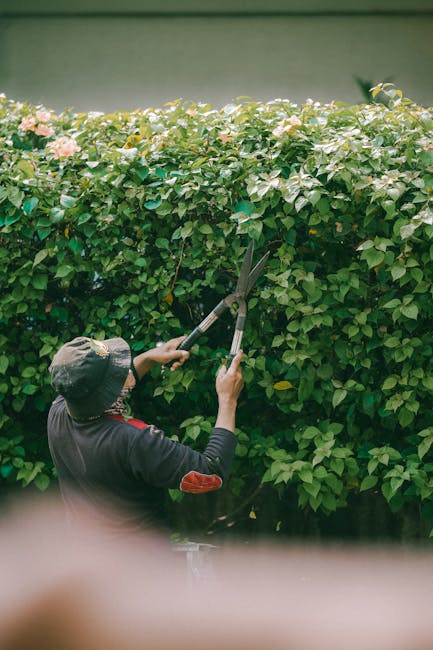
Avoid hidden charges with Southgate garden maintenance quotes
If you have ever opened a garden maintenance invoice and felt that slight sinking feeling, you are not alone. The quote looked tidy enough, the job seemed straightforward, and then the final bill arrived with extras you never expected. That is exactly why avoid hidden charges with Southgate garden maintenance quotes is more than a nice idea; it is a practical way to protect your budget, compare providers properly, and keep the whole experience calm from start to finish.
In Southgate, where gardens can range from compact terraces to bigger family plots with hedges, lawns, patios and awkward corners, a quote needs to be clear in plain English. Not jargon. Not vague "from" pricing. Clear. This guide shows you how garden maintenance quotes should work, what hidden charges usually look like, and how to spot the details that matter before anyone starts a mower or opens a pair of secateurs.
And yes, it is possible to do this without turning into a suspicious detective over every line item. You just need a sensible process.
Table of Contents
- Why it matters
- How quotes work
- Key benefits and practical advantages
- Who this is for
- Step-by-step guidance
- Expert tips for better results
- Common mistakes to avoid
- Tools, resources and recommendations
- Law, compliance, standards, or best practice
- Options, methods, or comparison table
- Case study or real-world example
- Practical checklist
- Conclusion
- Frequently asked questions
Why Avoid hidden charges with Southgate garden maintenance quotes Matters
Garden maintenance is often sold as a simple service, but the reality can be a bit messier. Lawns need edging. Hedges need shaping. Beds need clearing. A patio might need a clean. A garden that looked "quick" on paper can turn into a longer job once someone arrives and sees overgrowth, waste to remove, or difficult access.
That is why hidden charges matter. They create distrust, make budgeting harder, and leave you comparing providers on an unfair basis. One quote may seem cheaper, but only because it leaves out essentials like green waste disposal, travel, equipment time, or extra labour for first-time clearance.
For homeowners, landlords, letting agents and property managers, the real issue is predictability. You want to know what you are paying for, what is included, and what would trigger an extra charge. If that information is missing, you are not comparing quotes; you are guessing.
Truth be told, most bad experiences come from silence rather than outright dishonesty. A provider may not be trying to trick anyone. They may simply be under-describing the work. But the outcome for you is the same: a final bill that feels off.
If you want a solid starting point, the pricing and quotes information on the service side can help you understand how professional garden pricing is usually framed.
How Avoid hidden charges with Southgate garden maintenance quotes Works
The safest way to avoid hidden charges is to treat a quote as a scope document, not just a number. In other words, the price should be tied to specific tasks, access conditions, materials, timing and exclusions. A proper quote answers the question: what exactly will be done, by whom, and under what conditions?
In practice, a good quote usually works in stages:
- Initial request: You describe the garden, the work needed and any known issues.
- Assessment: The provider reviews size, condition, access, parking, waste, surface type and frequency.
- Written scope: The quote lists the tasks included, such as mowing, hedge trimming or patio cleaning.
- Cost breakdown: Labour, materials, waste removal, visit fees and any minimum charges should be visible.
- Exclusions and assumptions: Anything not included should be stated clearly, along with conditions that could change the price.
- Agreement before work: If scope changes on the day, the provider should ask for approval before adding extras.
Hidden charges often appear when one of these steps is rushed or skipped. For example, a quote might include hedge trimming but not say whether the clippings are removed. Or it may price a lawn cut but ignore the first tidy-up of long grass. Little gaps like that can add up fast.
One useful habit: ask for the quote in writing, even if the first conversation happens by phone. A tidy written record is much easier to compare and revisit later. No drama, no he-said-she-said.
Key Benefits and Practical Advantages
Clear garden maintenance quotes do more than save money. They make the whole relationship smoother. When expectations are aligned early, the job is usually quicker, cleaner and less stressful for both sides.
- Better budgeting: You can plan monthly or seasonal spend without surprise add-ons.
- Fair comparisons: Two quotes can only be compared properly if they cover the same scope.
- Fewer disputes: Clear wording reduces arguments about what was or was not included.
- Better service quality: A precise quote often reflects a more organised provider.
- More control over scope: You can decide whether to add extras before work starts.
There is also a subtle benefit people overlook: confidence. If you know the price is transparent, you are more likely to book the work you actually need instead of putting it off because the cost feels unpredictable. That matters with gardens, because small jobs become bigger ones if ignored.
For example, routine care such as garden maintenance or ongoing lawn care is much easier to keep on track when the quote is built around regular tasks rather than mystery add-ons.
Who This Is For and When It Makes Sense
This approach makes sense for almost anyone arranging garden work, but it is especially useful if your garden has a few moving parts. Let's face it, that is most gardens in real life.
You will benefit most if you are:
- a homeowner wanting reliable seasonal upkeep
- a landlord needing tidy outside space between tenancies
- a busy family who wants maintenance on repeat rather than one-off panic jobs
- a property manager comparing several contractors
- someone booking a first visit after months of growth and debris
- a customer combining services such as hedge work, mowing and patio cleaning
It also makes sense when the job is not visually simple. A short hedge at the front may hide a dense back border, and a small lawn can still take time if the edges are rough or there is a lot of waste to remove. An honest quote acknowledges that. A vague one tends to gloss over it.
If you are planning more than basic upkeep, it can help to look at the wider range of gardening services available so the quote covers the right tasks from the start, rather than adding them one by one later.
Step-by-Step Guidance
Here is a practical way to reduce the risk of hidden charges before you agree to anything.
1. Describe the garden honestly
Be upfront about long grass, heavy weed growth, access issues, steep slopes, narrow side gates or awkward waste storage. It is tempting to make the job sound simpler than it is. That usually backfires. The more accurate your description, the more accurate the quote.
2. Ask what is included
Do not just ask for a price. Ask what that price covers. For example: mowing, edging, hedge trimming, leaf clearance, weeding, pruning, sweeping, waste removal, and whether the first visit is treated differently from ongoing maintenance.
3. Check the exclusions
Every quote has limits. The question is whether they are clear. Useful exclusions include tree work, fencing repairs, deep root removal, specialist disposal, or major landscaping. If a provider can explain those limits calmly, that is usually a good sign.
4. Ask about waste and disposal
Green waste is a common source of surprise cost. Ask whether waste collection is included, whether there is a disposal fee, and whether the quote assumes you will keep the clippings on site. A pile of branches can become expensive if no one mentioned it earlier.
5. Confirm visit frequency
Weekly, fortnightly, monthly and one-off visits should not be priced as though they are identical. Regular maintenance is usually more efficient than recovery work. If your quote mixes them together without saying so, ask for clarification.
6. Get any variable charges in writing
If the price may change because of access, weather, parking, or a garden condition that is worse than described, ask how that will be handled. A good provider will explain the trigger, the process and the likely range before work begins.
7. Compare like with like
When you get two or three quotes, compare the scope line by line. A lower price is not automatically better if it leaves out waste removal or an initial tidy-up. Sometimes the cheapest quote is simply the one that says the least. Funny how that works.
If your garden also needs targeted work, such as lawn mowing or patio cleaning, ask for those to be separated clearly so you can see exactly what each item costs.
Expert Tips for Better Results
These are the small details that make a big difference, especially if you are trying to avoid awkward surprises later on.
- Ask for a site visit where needed: Photos are useful, but they do not show everything. A quick visit often reveals access issues or hidden overgrowth.
- Watch for "from" prices: They are not always a red flag, but they should come with a clear explanation of what could make the price rise.
- Check whether VAT is included: If applicable, make sure the quote states whether tax is included in the total.
- Request task wording, not just labels: "Hedge trim" can mean a quick tidy or a full shape-and-clear job. The wording matters.
- Keep communication simple: A clear email summary after a call can prevent misunderstandings. One neat message can save a lot of back-and-forth.
Here is a little real-world observation: the providers who are best at transparent quotes are often the ones who sound slightly less flashy. They ask practical questions, take notes, and do not promise miracles in ten minutes. That is usually a good sign, not a boring one.
If your garden has more specialist needs, such as hedge trimming in Southgate or occasional tree surgery, it is even more important to pin down the scope, because those jobs can vary a lot depending on height, access and waste volume.
Common Mistakes to Avoid
Most hidden-charge problems start with one of these mistakes.
- Accepting a verbal quote only: If something changes later, you may have little to refer back to.
- Not clarifying waste removal: Disposal can be a separate cost, especially after a large clearance.
- Ignoring access details: Narrow gates, locked side entrances or restricted parking can alter labour time.
- Assuming all maintenance is the same: Ongoing care and a one-off recovery tidy-up are very different jobs.
- Focusing only on the headline price: The cheapest quote may be incomplete rather than efficient.
- Forgetting to mention special surfaces: Decking, paving and delicate planting beds can change how a job is priced and carried out.
A very common one is the "it'll only take five minutes" trap. Gardens have a habit of laughing at that estimate. You start at the front, then the back border appears, then the hedge, then the bag of clippings, and suddenly the day has moved on.
For seasonal jobs, it can also help to plan ahead with resources like winter plant protection advice and weed control tips, because preventive care often reduces the scale of maintenance later on.
Tools, Resources and Recommendations
You do not need a huge toolkit to make smarter quoting decisions. A few simple tools and habits go a long way.
- Phone photos: Take wide shots of the whole garden and close-ups of problem areas.
- Measurement notes: Approximate lawn size, hedge length and patio area help with consistency.
- A written checklist: List the tasks you want included before requesting quotes.
- Calendar reminders: Seasonal maintenance is easier to budget when you know when it tends to happen.
- Old invoices or previous quotes: These are useful reference points, especially for repeat work.
On the service side, the most helpful supporting pages are usually the ones that explain pricing, service boundaries and trust information clearly. The about us page helps you understand who you are dealing with, while payment and security and terms and conditions are worth reviewing before you confirm anything.
If you want a broader sense of how transparent communication should look, the company's health and safety policy and insurance and safety information can also be useful. They do not tell you the price, obviously, but they do tell you whether the provider treats professional standards seriously.
Law, Compliance, Standards, or Best Practice
Garden maintenance pricing in the UK is not usually governed by one single rulebook for all situations, but good business practice still matters. At a minimum, you should expect clear information about service scope, cancellations, payment terms, data handling and any conditions that affect the quote.
From a customer point of view, that means checking whether the provider's processes are explained in plain language. If you see references to privacy handling, complaints routes, accessibility or payment security, those are useful signals that the business is organised and not just winging it.
A few best-practice points worth keeping in mind:
- quotes should be understandable without needing interpretation
- important exclusions should be visible before the work starts
- changes to scope should be agreed before extra work is done
- payment terms should be stated up front
- complaints and follow-up processes should be easy to find
If a service touches higher-risk work, such as tree removal or awkward access, safety and insurance become even more relevant. That is where a provider's documented processes matter more than a cheap headline price. Not glamorous, I know. But it protects everyone involved.
For gardening businesses, pages like complaints procedure, privacy policy, cookie policy and modern slavery statement help reinforce trust because they show the business is thinking beyond the day's job.
Options, Methods, or Comparison Table
When you are comparing garden maintenance quotes, the main choice is not just price. It is the style of pricing and the level of clarity that comes with it.
| Quote style | What it usually means | Pros | Watch-outs |
|---|---|---|---|
| Fixed-price quote | A set total for a clearly defined scope | Easy to budget, easy to compare | Needs a precise description to stay accurate |
| From-price quote | A starting figure that may change based on site conditions | Useful for jobs with variable size | Can hide extras if the variables are not explained |
| Hourly rate | You pay for time spent on the job | Flexible for unpredictable work | Final cost is harder to predict without a cap |
| Package or maintenance plan | Regular visits for a recurring fee | Good for routine upkeep and smoother budgeting | Make sure infrequent extras are defined separately |
For most homeowners, a fixed-price or well-structured maintenance plan is the easiest way to keep a lid on hidden charges. If the garden is very overgrown, an initial clean-up may be priced separately from ongoing maintenance. That is normal, and often fair, as long as it is explained.
Services like lawn mowing, fencing or landscaping can also be quoted in different ways, so the comparison should always be based on the same scope and assumptions.
Case Study or Real-World Example
Picture a typical Southgate garden after a few wet weeks: the lawn has gone long, the hedge is uneven, weeds have crept through the borders, and the patio is looking a bit tired. The homeowner asks for a maintenance quote and receives two options.
The first quote is short and cheap. It says "garden tidy-up" with a total price, but nothing else. No mention of waste removal, hedge clippings, access, or whether the patio sweep is included. The second quote is more detailed. It lists mowing, edging, hedge trim, light weeding, waste collection and a note that any extra pruning would be agreed first.
The second quote may cost slightly more on paper. But in real life, it is often the safer choice because it reduces the chance of a surprise add-on. You can see exactly what is covered and what would count as extra. That makes budget decisions easier, especially if the work is part of a wider outdoor refresh, such as the kind discussed in taking the first leap toward a garden revival.
We have seen this pattern repeatedly: the better the upfront detail, the calmer the job. Fewer assumptions. Fewer awkward phone calls. Less standing in the doorway saying, "Oh, I thought that was included."
Practical Checklist
Use this checklist before you accept any garden maintenance quote.
- Have I described the garden honestly, including overgrowth and access issues?
- Does the quote list the exact tasks being done?
- Does it say whether waste removal is included?
- Are materials, equipment use or disposal fees stated clearly?
- Does it separate one-off work from ongoing maintenance?
- Are extra charges explained in plain English?
- Have I compared quotes on the same scope?
- Is the payment method and timing clear?
- Do I know who to contact if something needs changing?
- Have I kept a written copy of the quote or summary?
If you can tick most of those boxes, you are in good shape. If not, pause and ask more questions. A few extra minutes now can save a proper headache later.
Get a free quote today and see how much you can save.
Conclusion
Avoiding hidden charges with Southgate garden maintenance quotes is really about clarity, trust and a bit of common sense. The best quotes do not just give you a number; they explain the work, the assumptions, the exclusions and the conditions that could affect the final cost.
Once you start comparing quotes this way, the whole process becomes easier. You stop chasing the cheapest headline and start looking for the fairest, clearest and most useful offer. That is usually where the real value is. Not in the flashy price, but in the smooth experience that follows.
If you want a garden that looks cared for without the stress of billing surprises, take the time to ask the right questions now. It is a small effort, honestly, but it makes the rest of the season feel much lighter.
And when the garden is tidy, the air smells fresh after a trim, and the patio finally looks like somewhere you want to sit with a cup of tea, that is money well spent.
Frequently Asked Questions
What should a Southgate garden maintenance quote include?
A clear quote should include the tasks to be completed, the visit type, whether waste removal is included, any exclusions, and the total price or pricing method. If something could change the cost, that should be explained in advance.
How do hidden charges usually appear in garden quotes?
They often show up as separate fees for waste removal, extra labour, first-time clearance, parking, materials, or jobs that were not clearly included in the original scope. Sometimes the charge is not hidden on purpose; it was just never written down properly.
Is a cheaper quote always better?
Not necessarily. A lower price can mean a leaner scope, fewer included tasks, or more conditions attached. The important thing is to compare quotes like for like, not just on the final figure.
Should I ask for a site visit before accepting a quote?
If the garden is large, overgrown or complicated, a site visit is often a smart move. It helps the provider assess access, waste, surface types and the real amount of work, which makes the quote more reliable.
Do I need everything in writing?
Yes, ideally. Written quotes are much easier to compare and much safer if there is any disagreement later. A phone call can be a useful start, but a written summary is the part you will actually refer back to.
How can I compare two garden maintenance quotes properly?
Match the scope first. Check whether both quotes include the same tasks, the same waste handling, the same frequency and the same assumptions. Only then compare the price.
What if the gardener finds more work on the day?
They should explain the change and ask before doing extra work that affects the price. A good provider will not just add surprise items at the end of the visit.
Are regular maintenance plans less likely to have hidden fees?
They can be, because the routine tasks are usually easier to define. Still, you should check how occasional extras are handled, especially for larger jobs or seasonal clearances.
What questions should I ask before booking?
Ask what is included, what is excluded, whether waste removal is extra, how variable charges are handled, and whether the quote is fixed or estimate-based. Those five questions catch a lot of problems early.
Does garden maintenance pricing change with access problems?
Yes, it can. Narrow side access, difficult parking, long carries for waste, or awkward terrain can affect labour time and sometimes cost. Good quotes should mention that possibility clearly.
Can I bundle services to reduce costs?
Often, yes. Combining tasks such as mowing, hedge trimming and patio cleaning can be more efficient than booking them separately. Just make sure the bundled quote still shows the detail clearly.
Where can I find more information before requesting a quote?
Useful starting points include the company's pricing and quotes page, the main garden maintenance service information, and the contact page if you want to ask specific questions before booking.